A café loyalty program works when a regular can earn a reward inside their usual run of visits, and the reward is the coffee they already buy. Design it in five steps: decide the habit you want, reward visits, pick that usual item, ask for a join at the counter, and check who redeemed and who came back.
A stamp card fails in two ordinary ways. It gets lost. Or it treats a daily coffee and a once-a-month pastry the same, and the finish line is so far off that people stop watching it.
Café loyalty program: A reward for returning to the same café, earned from identified visits and redeemed on something that customer already orders.
Step 1: Decide the habit you want back
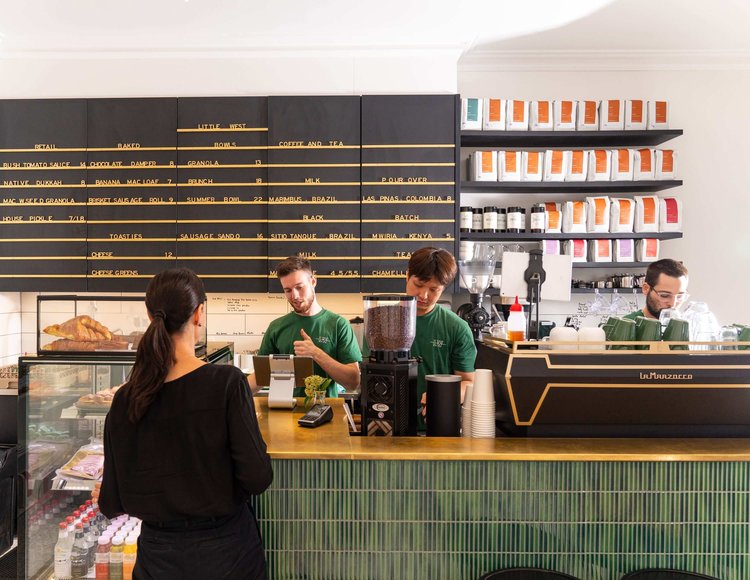
Most cafés want the morning regular to keep the weekday habit. That is a visit rhythm, measured in days. A program aimed at a bigger spend fights that habit. Someone buying a coffee on the way to work is not trying to build a larger ticket. They are trying to keep a routine.
Write the goal in one line before you pick a reward. “We want weekday regulars to keep coming this month” is a loyalty goal. “We want every customer on a 10% discount” is a promotion, and it has no end.
Step 2: Reward visits
A visit reward fits a café because people come often. One visit, one step toward the usual coffee. Keep the number small enough that a person who comes most weekdays can see the reward inside a few weeks.
Spend points suit a rarer, larger purchase. In a café they turn a few dollars a day into a balance nobody notices. If you set a minimum spend, keep it under the usual coffee. A rule above that price means the habit itself does not earn.
Step 3: Make the reward the thing they already buy
The reward should be the regular coffee, or the pastry they add on some mornings. A free item they would not choose sits unused. A percent off the whole till is a discount, and regulars who were coming anyway learn to wait for it.
One reward is enough. A second tier is fine when it is the same idea, such as a birthday coffee beside the visit reward. A second game, with stamps and points and a random discount, is too much to explain in a queue.
Step 4: Ask while they are at the counter
People join when the coffee is being made, not from a poster they read later. Ask for a mobile number or email, say what they earn, and make the opt-out obvious. A rush is a bad time for a long form. One detail is enough to tie the next visit to this person.
Staff need one sentence. “This visit counts toward your usual coffee, and you can stop whenever you want.” If the explanation is longer than that, the program is too complicated.
Step 5: Check who used it and who came back
Look at identified customers, not the day’s takings. Three checks are enough. How many joined. How many redeemed. How many of the people who joined have been back since.
If people join and never redeem, the reward is too far away or it is the wrong item. If they redeem and disappear, you have given something away without a habit behind it. If regulars go quiet inside a week, that is a separate job from the program design. The program should show the gap. It should not send the same offer to the whole list.
How myne runs the café program
Loyalty & Promotions can reward a run of visits with the item they already buy. Customer CRM keeps those visits on one profile, so a later coffee is the same person.
myne connects the till and the online orders a café already uses, so each visit stays on the customer and the reward can land.myne for cafés is built around that morning rhythm.
Explore Loyalty & Promotions when the stamp card should become a visit you can see.