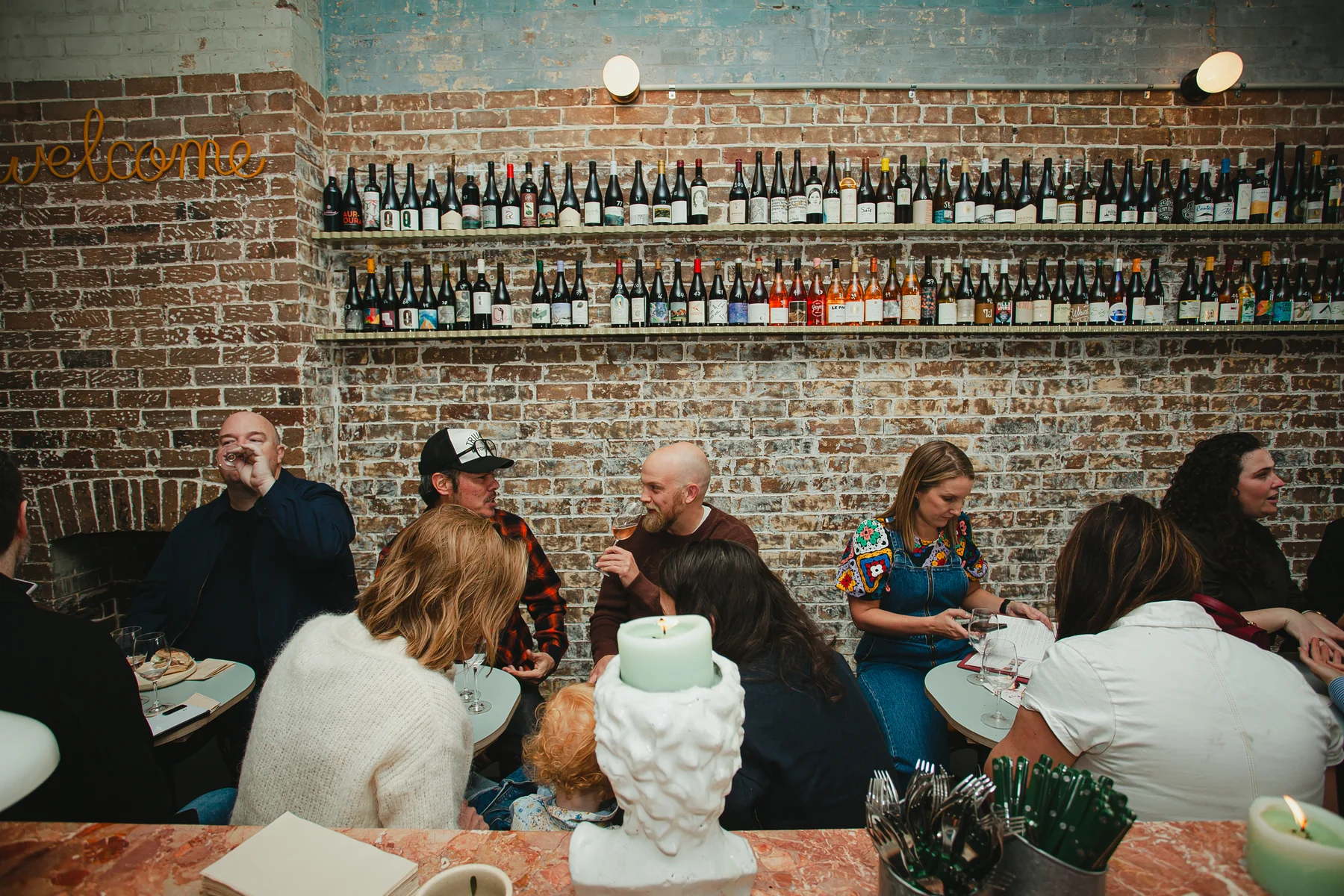
A hospitality loyalty program identifies a customer, records a qualifying visit or amount spent, and gives them a reward that creates a reason to return. That record comes from the tools the venue already uses, such as the point of sale, online ordering, reservations or payments, rather than from a card the customer may leave at home. The reward works when it matches how that venue is actually visited. A weekday coffee, a Friday pub meal and a birthday dinner are different habits, so they need different rules.
What is a hospitality loyalty program?
A hospitality loyalty program is the set of rules a food and drink venue uses to recognise returning customers and give them a benefit for coming back. This guide covers restaurants, cafés, bars, pubs, bakeries, pizzerias and quick-service venues.
Hospitality loyalty program: A structured way for a venue to identify a customer, record qualifying visits or spend, and offer a reward or benefit that gives them a reason to return.
A café wants the same person on Thursday morning. A pub wants a Tuesday visit as well as Saturday. A restaurant wants the birthday guest to book again. The offer is what the customer sees. The customer record shows whether they returned.
How do hospitality loyalty programs work?
Hospitality loyalty programs work in three steps: identify the customer, record a qualifying action, then deliver a reward they can use on a later visit.
Identify the customer. The person has to be recognisable next time. That can be a name and mobile number at the counter, a QR code on the receipt, a wallet pass, an online ordering account, a reservation, or a card payment tied to a profile. A one-off promotion can run on an anonymous visit. A loyalty program needs a customer you can match next time.
Record the qualifying action. Choose what earns progress: a visit, a specific item such as a coffee, a minimum spend, or an order placed with the venue. Write the rule so staff can apply it during a rush without a debate at the pass.
Deliver the reward. Points, a free item, cashback, a tier or a members-only offer work when the customer can see their progress and redeem it quickly. If redemption needs a manager and a workaround in the POS, the program will stall on a Saturday night.
What are the other ways to run loyalty?
These are the four setups to compare. Each can issue a reward. They keep a different record of the customer.
Paper stamp cards are simple to explain at the counter. The card goes missing, some customers carry more than one, and you cannot contact the person who stopped coming.
Digital stamp apps keep the stamp on a phone. They often sit beside the POS, the booking diary and the online store, so you can see stamps without seeing that the same person booked last month and has not returned.
POS loyalty records the sale in front of the team, which makes redemption easier at that till. That history is incomplete when the customer orders online, books through another system, pays on another terminal, or visits a second venue.
Standalone loyalty platforms are built to run the rewards, and often the messages around them. Marsello is a familiar hospitality example, including card-linked rewards. Keep it if the team already runs it well. A booking, an online order or a visit at another site can still sit outside that balance until the systems are connected.
Which reward fits the venue?
One stamp card is a weak default across hospitality, because visit frequency, spend and the reason for the visit all change.
Venue | How customers return | Mechanic that fits | A reward that matches |
|---|---|---|---|
Café | Habitual, often several times a week, lower spend | Visit or item count | The 8th coffee |
Bakery | Habitual mornings, plus seasonal and gifting peaks | Visit count, plus a separate seasonal offer | A loaf after a set number of visits, and a short offer before a seasonal peak |
Quick service | High volume, takeaway and delivery, orders you can count | Order count or a spend threshold | A side or drink after a set number of direct orders |
Pizzeria | Repeat household orders on a few predictable nights | Order count, or a quiet-night offer | Garlic bread on the 5th order, or a Tuesday collection offer |
Bar | Visits tied to occasions and events, uneven frequency | Visit milestones, plus event access | A drink on the third visit, or early access to the next event |
Pub | Local regulars, food and drink, a quiet weekday and a full weekend | Weekday visits, or a tier for regulars | A weekday meal credit aimed at the quiet part of the week |
Restaurant | Fewer visits, higher spend, bookings and occasions | Recognition on the next booking | A returning-guest extra when they have not booked for a period you set |
Multi-site group | The same customers across more than one venue | One balance for every site | Points or cashback earned at one venue and redeemed at another |
Run one primary mechanic per venue. A café can add a quiet-hour offer later. Pick the behaviour you want more of, and make the reward a short path to it.
Before you launch:
The customer can join during the visit, without a long form.
Progress shows on a wallet pass, a receipt or a message.
Redemption is obvious to the team and works in the POS.
You can see who joined, and who has stopped qualifying.
The offer is aimed at a visit you want more of. A free item for someone who already comes every day is a cost. A reason to come on a quiet day is the program.
Where myne fits
myne is an AI platform for Australian restaurants. Loyalty & Promotions runs the reward from customer behaviour, for restaurants and the other food and drink venues in this guide.
Connect the POS, ordering, reservations and payments the venue already uses. myne builds one customer profile from those interactions and supports cashback, points or tiered rewards, including welcome points, with rewards redeemed against promotions. Membership can sit in Apple Wallet or Google Wallet, ready at the counter.
Offers can follow a first visit, a purchase milestone, a favourite product, lifetime spend, or the time since someone last came in. The same profile covers the venue, online orders and other locations.
If loyalty already runs in a platform such as Marsello, myne can connect that activity to the profile. Automations can welcome a new member, recognise a regular, or message someone who has gone quiet. Those messages use the profile in Customer CRM.
What to do next
Choose the row that matches the venue, write the qualifying rule in one sentence, and decide how the customer will identify themselves next time.
Explore Loyalty & Promotions to set up cashback, points or tiered rewards on the visits you already take.